
2026-09-03 ·
Cost of Attic Mold Removal in Rochester NY Older Homes
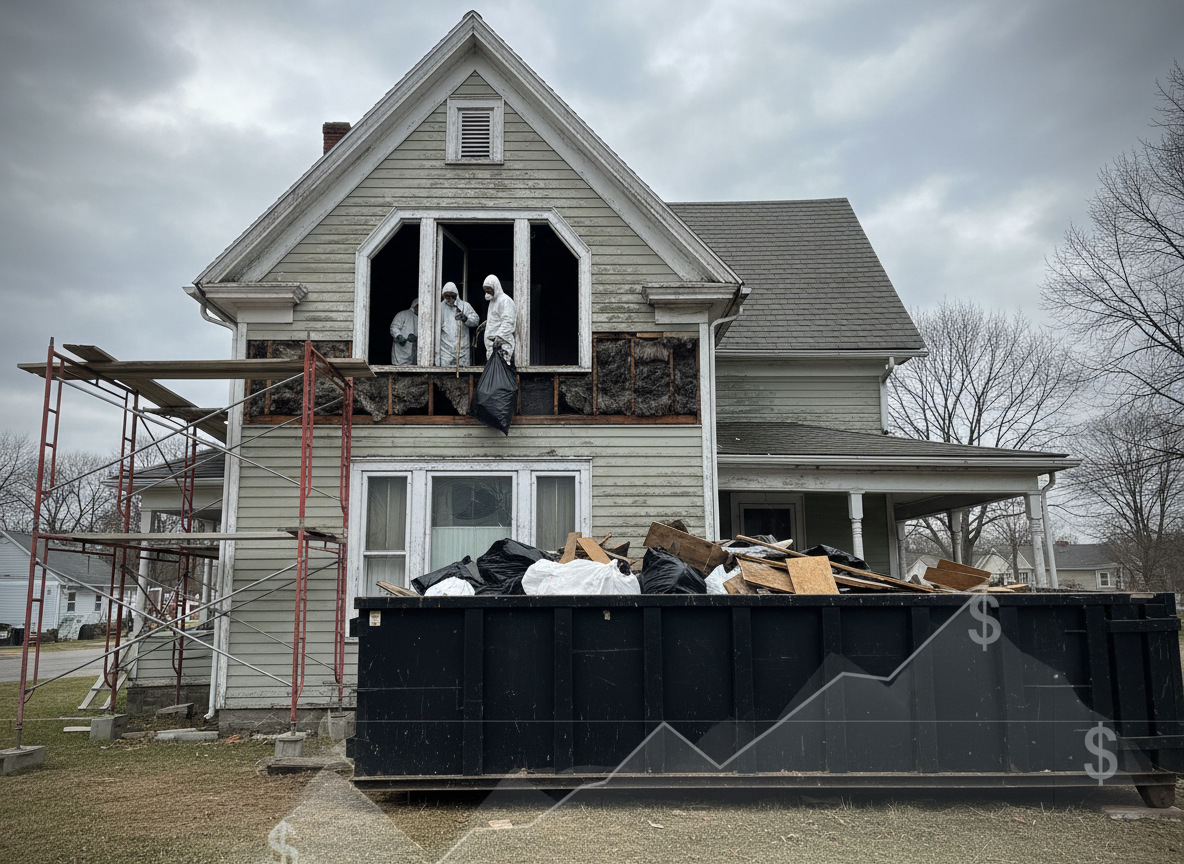
In Rochester NY older homes, attic mold removal most often costs $1,200–$6,500, with a typical 800–1,200 sq ft job in Park Avenue, East Avenue, or Charlotte landing between $2,200 and $3,800 once containment, insulation bag-out, and source repairs are included. Smaller isolated patches on rafters can stay under $1,500; full cellulose removal plus wood-framing treatment after a winter of ice dams can push past $5,000. Those numbers reflect Monroe County’s humid-continental winters, not a national average.
What Actually Sets the Price in Older Rochester Attics
Rochester’s housing stock—many 1890–1930 balloon-frame and balloon-plus-platform houses around the George Eastman Museum and along East Avenue—uses unvented or poorly baffled attics that trap moisture once snow loads sit on the roof. Blown cellulose from 1970s energy programs soaks up that moisture and must be bagged as contaminated waste, adding $400–$1,200 versus simply treating fiberglass. Access through a 22-inch scuttle in a Charlotte bungalow or a steep Park Avenue walk-up also adds labor hours. Moisture source work is rarely optional: ice-dam melt, chimney flashing on older masonry, or a missing vapor barrier all have to be fixed or the mold returns. A moisture source identification visit is usually the first line item because guessing at the leak wastes money. Nearby Brighton and Pittsford colonials share the same pattern—steep roofs, little soffit intake, and decades of layered insulation—so quotes look similar once you leave the city line.
Typical Ranges by Job Size and Insulation Type
- Limited surface growth on rafters or sheathing (under 50 sq ft): $1,200–$2,000. HEPA vacuuming, antimicrobial wipe-down, and a small containment. Common after a single ice-dam event.
- Moderate infestation with wet cellulose (200–600 sq ft): $2,200–$3,800. Full bag-out of cellulose, wood framing treatment, and new fiberglass or mineral wool. This is the most common ticket in Irondequoit and East Avenue two-stories.
- Widespread growth plus roof or flashing leaks: $4,000–$6,500. Adds roof leak repair or chimney flashing, ridge-vent work, and post-remediation air sampling. Older homes near High Falls often need this because lake-effect snow sits longer on north slopes.
Numbers assume weekday work during Mon–Fri 8am–6pm hours; Saturday 9am–2pm slots exist but overtime can add 15–20 percent. Disposal fees for bagged cellulose in Monroe County landfills sit around $75–$150 per load and are already in the ranges above.
How Cold Snowy Winters Change the Work on the Ground
Once winter temperatures drop, attics in Rochester stay below dew point for weeks. Warm indoor air leaking through unsealed hatches condenses on the underside of the roof deck; ice dams then push melt water under shingles. The result is not just surface mold but saturated cellulose that has to come out before any treatment. Crews working after a heavy lake-effect event (see checking attic ventilation after heavy lake effect snow) often find the same pattern from Charlotte to Pittsford: black staining on the north rafters, wet insulation piled against the eaves, and little or no soffit intake. That extra drying time and the need for negative-air containment add a day and $300–$700. Homes that already had attic mold after ice dam removal in Rochester tend to need more wood-rot treatment because the same leak path has been active for several seasons.
Extra Line Items Older Homes Almost Always Need
Rochester’s pre-war attics rarely have modern baffles or a continuous vapor barrier. After mold is gone, most owners still need cellulose insulation removal followed by new fiberglass, plus ridge vent installation or soffit repair so the space can actually dry. Those extras are not upsells; they are why the mold appeared. A typical add-on package runs $800–$1,800 and is the difference between a one-time fix and a repeat visit next March. Air sampling or post remediation verification is another $250–$450 if a buyer or insurer wants numbers. All of this is quoted from the shop at 1925 S Clinton Ave after an on-site look; photos alone cannot show whether the decking is still sound.