
2026-09-03 ·
Replacing Insulation After Attic Mold Removal Rochester NY
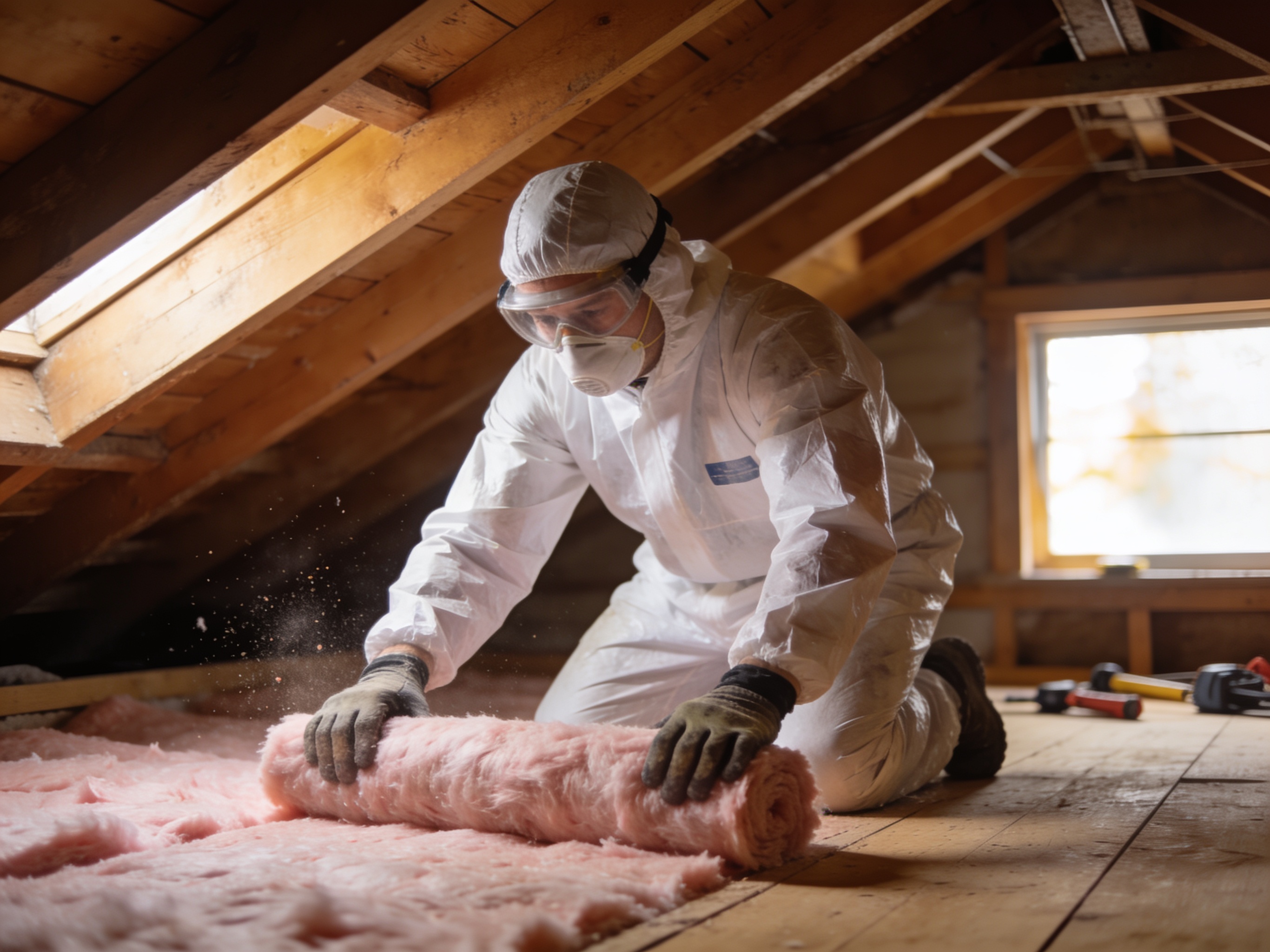
Replacing insulation after attic mold removal in Rochester NY happens only after the attic is confirmed dry, the moisture source is fixed, and remaining material is bagged out. New fill typically goes in at R-49 or better—often 16–20 inches of blown fiberglass or cellulose—once wood moisture content sits below 15% and ventilation is balanced. Skip that wait and you trap humidity again in Monroe County’s humid continental climate with cold snowy winters.
Why Old Insulation Cannot Stay After Mold Work
Once mold has colonized cellulose or fiberglass in a Rochester attic, the material itself is a reservoir. Spores and fragments stay in the fibers even after surface cleaning. Homes along Park Avenue, East Avenue, and Charlotte often have 1920s–1950s stock with original blown cellulose that wicked roof leaks or ice-dam melt. That fill must come out, not just “treated,” because it will re-wet the first time lake-effect snow sits on a poorly vented roof.
Removal is not cosmetic. Contaminated batts and loose fill are bagged, HEPA-vacuumed from joists, and hauled as construction waste. Leaving even a thin layer under new insulation creates a cold plane that condenses indoor air rising through unsealed hatches. In Irondequoit and Brighton bungalows the same pattern shows up after ice dams: wet cellulose against the roof deck, then black staining on rafters. Full cellulose insulation removal before any new product goes down is the only way to keep the next winter from repeating the cycle.
Matching New Insulation to Rochester Winters and Housing Stock
Rochester attics need enough R-value to keep the roof deck cold enough that snow does not melt from below, yet warm enough that indoor humidity does not condense on the underside. Blown fiberglass or cellulose at 16–20 inches (R-49 to R-60) is the usual target for Monroe County. Spray foam is rarely the first choice on older East Avenue and Park Avenue roofs because it can hide future leaks and because many of those roofs still need air sealing at the soffits and hatches first.
Terrain and weather matter. Low-slope roofs near High Falls and along the river see more ice dams; steep Victorian roofs near the George Eastman Museum shed snow faster but still need ridge and soffit balance. After attic mold remediation, we check that baffles are open and that bathroom fans actually terminate outside—not into the attic. That sequence is what keeps new insulation from getting wet the first January after install. Pittsford and Brighton colonials with cathedral ceilings need extra attention at the eaves so the new fill does not block intake.
Step-by-Step Replacement After the Attic Is Clear
Work starts with verification, not bags of insulation. Framing is checked with a moisture meter; if readings are still high, structural drying continues. Then air sealing: recessed lights, plumbing stacks, and the attic hatch get foam or gaskets so heated air from below does not dump moisture into the new fill. Only then is new material blown or laid.
Typical sequence on a 1,200–1,800 sq ft Rochester attic:
- Confirm wood is dry and the leak or ice-dam path is repaired.
- Install or clear soffit baffles so intake air can move.