
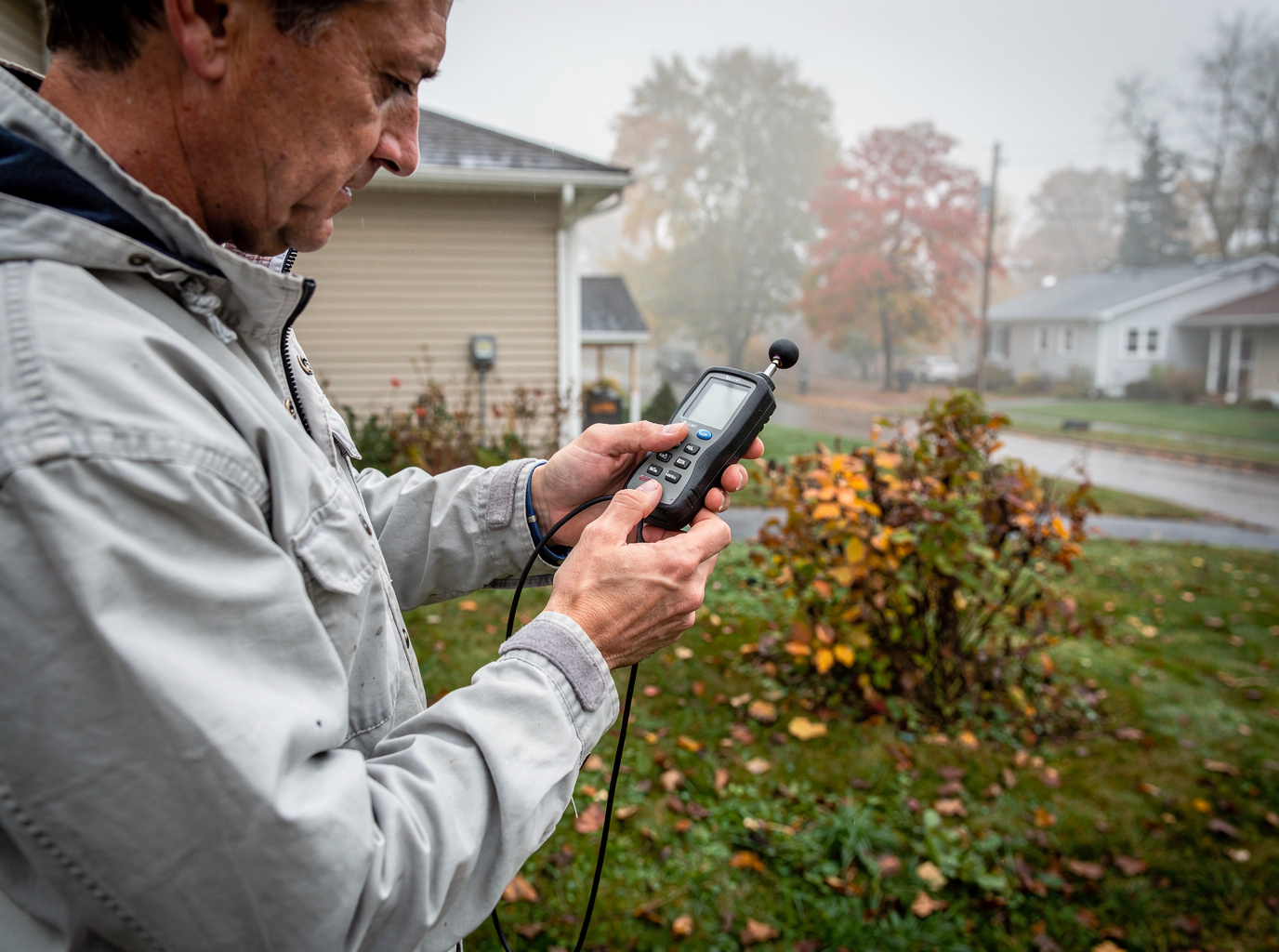
Rochester’s humid continental climate means attics in Park Avenue, East Avenue, and Charlotte see two very different moisture seasons. Once winter temperatures drop, indoor air that leaks into the attic hits a cold roof deck and condenses; snow sitting on the shingles for weeks only makes the underside colder. In summer the same spaces trap humid air that has nowhere to go if soffit and ridge vents are blocked by insulation or old construction. Seasonal humidity monitoring is the practice of placing calibrated sensors, logging readings through freeze-thaw cycles, and catching those swings before they become visible mold on the rafters.
Older Monroe County housing stock—many homes near the George Eastman Museum and along East Avenue—was built with little or no intended attic ventilation. That leaves us dealing with tight, unvented cavities where a 10-point humidity jump can stay hidden for months. We look at how ice dams on the north slopes of Brighton and Pittsford roofs push meltwater under the shingles, then how that moisture evaporates into the attic once the sun hits. Monitoring also flags when bathroom fans or kitchen range hoods are dumping moisture upstairs instead of outdoors, a common retrofit mistake in Irondequoit bungalows.
The work is not a one-time reading. Sensors have to survive Rochester’s freeze-thaw and the fine dust that blows off the Public Market area in spring. We place them away from gable vents so they don’t just measure outdoor air, and we check battery life before the first heavy snow. If relative humidity stays above the point where wood starts to absorb moisture for more than a few days, we already know the next step is source control and possible removal rather than another round of bleach. That timing is what keeps a small winter problem from becoming a full attic mold job by April.
Code notes are straightforward: New York State Energy Conservation Construction Code expects attics to be ventilated or to have a sealed, conditioned assembly. Most Rochester homes we see are neither fully one nor the other. Monitoring gives the homeowner a paper trail of actual conditions so any later work—added vents, air sealing, or mold cleanup—can be sized to the real numbers instead of a guess.
Technician insight
In Rochester the thing that catches most people out with seasonal humidity monitoring is thinking a single summer reading tells the story. The real damage happens when January snow sits on a cold roof over an unvented 1920s attic on East Avenue and indoor humidity condenses for weeks. Homeowners often add more insulation without checking whether the old soffits are blocked, so the sensors we place later show the space getting wetter, not drier. That pattern is why we always log through at least one full freeze-thaw cycle.
Charlotte bungalow after a long snow cover
A homeowner called after noticing a musty smell once the snow finally melted. Sensors we had placed in November showed attic humidity climbing every time the roof stayed white for more than a few days, even though indoor humidity looked normal. We found blocked soffits and a bath fan dumping into the attic. After the homeowner cleared the vents and we redirected the fan, the spring readings dropped and no mold cleanup was needed.
Seasonal Humidity Monitoring Services We Offer
✓Attic Sensor Placement and Calibration
We locate and calibrate data loggers in the coldest roof bays so readings reflect actual winter condensation risk, not just outdoor air.
✓Winter Condensation Tracking
Weekly or monthly log reviews during snow season catch the humidity spikes that form on the underside of Rochester roofs before ice dams worsen them.
✓Summer Moisture Trend Analysis
We compare July–August attic humidity against indoor levels so you know whether the space is trapping humid air after the snow melts.
✓Ice Dam Moisture Correlation
Readings are paired with roof-edge observations so we can tell whether meltwater or interior humidity is driving the numbers.
✓Ventilation Performance Check
Sensor data shows whether soffit and ridge vents in older Park Avenue and Charlotte homes are actually moving air or just looking open.
✓Pre-Remediation Baseline Logging
A documented humidity history before any mold work so you can prove conditions improved after cleanup.
Seasonal Humidity Monitoring Cost in Rochester, NY
| Service | Typical Range | What Affects It |
|---|---|---|
| Single-season sensor setup (one attic) | $180–$350 | Access, roof pitch, and number of bays change the time on site. |
| Full winter-plus-summer logging | $320–$550 | Extra visits and data review after freeze-thaw and humid months. |
| Follow-up reading after a storm or ice dam | $95–$160 | Drive time to Brighton, Irondequoit, or Pittsford and attic access. |
| Sensor retrieval and final report | $75–$140 | Included in longer packages; standalone if you only need the close-out. |
Ranges are typical for Rochester, NY and confirmed with an exact written quote before any work starts.
How it works
- 1
Initial Attic Walk-Through
We inspect the roof deck, insulation, and existing vents in your Monroe County home and note where sensors will survive snow load and summer heat.
- 2
Sensor Install And First Readings
Loggers go in the coldest bays, away from gable vents, and we record a baseline before the next weather change.
- 3
Seasonal Data Review
You get a plain-language summary after each major cold snap or humid stretch so you can see the trend, not just a single number.
- 4
Recommendation And Next Steps
If humidity stays high we outline source control, ventilation, or removal options with no pressure to buy extra work.
Pricing
Most Rochester attics fall in a modest range for monitoring; price moves with attic size, access, and how many seasons you want logged. We give an upfront quote after the walk-through. Hours are Mon–Fri 8am–6pm, Sat 9am–2pm from 1925 S Clinton Ave.