
Rochester attics take a beating from a humid continental climate with cold, snowy winters. Melt-freeze cycles on roofs from Park Avenue to East Avenue drive ice dams that back water into the eaves, soak fiberglass, and leave it matted, dusty, and useless as an air seal. In Monroe County’s older housing stock—tight gables near the George Eastman Museum, Cape Cods in Brighton, and bungalows in Irondequoit—the original batts were often stuffed against the roof deck with no ventilation channel. Once mold has been cleaned from sheathing, that wet, compressed fiberglass has to come out. Leaving it in place traps moisture against the wood and drops R-value just when Pittsford and Charlotte homeowners need it most.
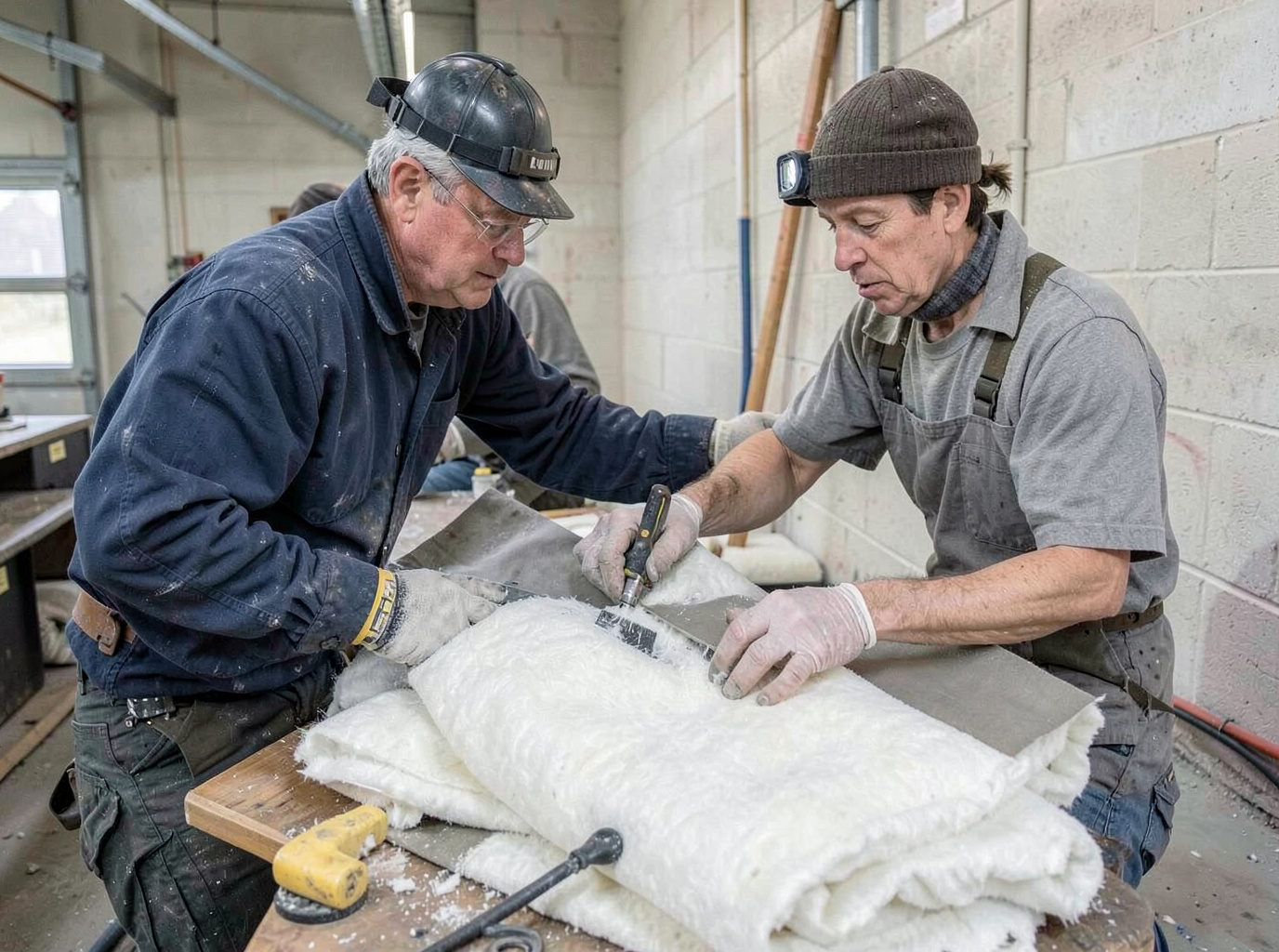
Removal is not a bag-and-dump job. Fiberglass that sat under mold growth is often fused to kraft facing, wiring, and recessed-light boxes. We pull it in sections so we can inspect rafter bays, baffles, and the top plates of interior walls. In many Rochester houses the attic hatch is in a hallway closet; staging bags down a narrow stair without tracking fibers through living space takes time. After the old material is out, we check for remaining staining on the underside of the roof, confirm soffit intake is open (often blocked by old insulation), and only then install new unfaced or kraft-faced batts or blown fiberglass to the depth the cavity and local energy practice allow. We do not claim code stamps we do not hold; we work to what the structure will physically accept.
Edge cases show up constantly. Cathedral ceilings over East Avenue additions have almost no cavity depth, so replacement may mean a thinner high-density batt plus air sealing rather than a full R-49 dump. Unconditioned attics over garages in Brighton often have no vapor retarder on the warm side; swapping fiberglass without addressing that stack can pull moisture into the new fill. Recessed can lights without IC rating cannot be buried. We flag those and leave clearance rather than create a fire hazard. If the roof deck still feels damp after a thaw, we wait—installing dry fiberglass over wet wood is how the next mold cycle starts. Hours are Mon–Fri 8am–6pm and Sat 9am–2pm from 1925 S Clinton Ave, Rochester, NY 14618.
Seasonal Timing for Rochester Attics
Late winter and early spring are when ice-dam leaks reveal themselves after snow load on roofs near High Falls and the Public Market. Summer humidity can keep residual moisture in sheathing even after a dry spell. We prefer to replace fiberglass when the roof deck has had a stretch of dry weather so new material starts dry. Fall is busy because homeowners want the attic closed before the first real snow. If you wait until January, access and bag haul-out get harder on icy driveways in Charlotte and Irondequoit.
Technician insight
In Rochester, the thing that catches most people out with fiberglass insulation replacement is ice-dam water that wicked along the kraft paper and never dried in the cold roof plane. Homeowners in East Avenue and Brighton houses bag the obviously black stuff and leave the rest because it “looks okay.” That leftover fill is still compressed against the deck, soffits stay stuffed, and the next thaw soaks the new layer. If the eaves are not opened, you paid twice.
Charlotte bungalow after a thaw leak
A homeowner called after brown stains showed on an upstairs ceiling following a heavy snow melt. We found matted fiberglass packed into the soffits and wet kraft facing along the north eave. After the sheathing was cleaned, we pulled the compromised batts, added baffles, and put unfaced batts back with a clear intake path. The ceiling stayed dry through the next freeze-thaw stretch.
Fiberglass Insulation Replacement Services We Offer
✓Mold-Damaged Batt Removal
Cut and bag soaked or stained fiberglass batts from rafter bays so Monroe County attics are empty and inspectable before new fill goes in.
✓Blown Fiberglass Tear-Out
Vacuum or bag loose-fill that has settled, grown mold, or blocked soffits in older Rochester roofs from Park Avenue to Pittsford.
✓Rafter Bay Re-Insulation
Install new kraft-faced or unfaced batts with proper baffles so ventilation still works after ice-dam moisture in East Avenue and Brighton homes.
✓Attic Floor Fiberglass Replacement
Replace compressed floor insulation over living space so heat stays downstairs through Rochester’s long snowy winters.
✓Cathedral Ceiling Batt Swap
Thin-cavity replacement where additions lack depth, using dense batts and air sealing instead of overfilling the roof deck.
✓Soffit Baffle and Intake Restore
Clear blocked eaves and add baffles so new fiberglass does not choke ventilation—the usual failure after wet winters in Irondequoit and Charlotte.
✓Hatch and Access Insulation Redo
Rebuild the attic hatch cover and weatherstrip so the weakest spot in many Rochester attics is not a thermal hole.
Fiberglass Insulation Replacement Cost in Rochester, NY
| Service | Typical Range | What Affects It |
|---|---|---|
| Small attic batt tear-out and re-install (limited bays) | $800–$1,800 | Access, bag count, and whether mold residue is still on facing |
| Typical whole-attic fiberglass replacement | $2,200–$5,500 | Square footage, blown vs. batt, soffit work, and stair protection |
| Blown-in vacuum and re-blow | $1,800–$4,500 | Depth of old fill, settling, and blocked eaves |
| Cathedral or low-slope bay swap | $1,200–$3,200 | Cavity depth and whether dense-pack or thin batts fit |
| Hatch rebuild add-on | $150–$400 | Size of opening and whether a new insulated lid is needed |
Ranges are typical for Rochester, NY and confirmed with an exact written quote before any work starts.
How it works
- 1
Inspect After Mold Work
Walk the empty or partially empty attic, check roof-deck moisture, wiring, cans, and soffit intake before any new fiberglass is ordered.
- 2
Contain and Remove Old Fill
Bag or vacuum compromised batts and blown-in, protect the stair and living space, and haul debris from the 1925 S Clinton Ave shop area as needed.
- 3
Prep Bays and Air Seal
Install baffles, clear eaves, and seal obvious gaps at top plates so replacement insulation is not fighting stack-effect leaks.
- 4
Install New Fiberglass
Fit batts or blow to the depth the cavity allows, keep IC-rated clearances, and leave the hatch insulated and weatherstripped.
- 5
Walk-Through
Show you the bays, leftover material, and what we left uncovered for lights or moisture—no mystery piles in the corners.
Pricing
Cost tracks square footage, how packed the old fill is, access (narrow hatches on Park Avenue vs. walk-up attics), and whether baffles and hatch work are included—not a one-price dump.